
Reference: 2030
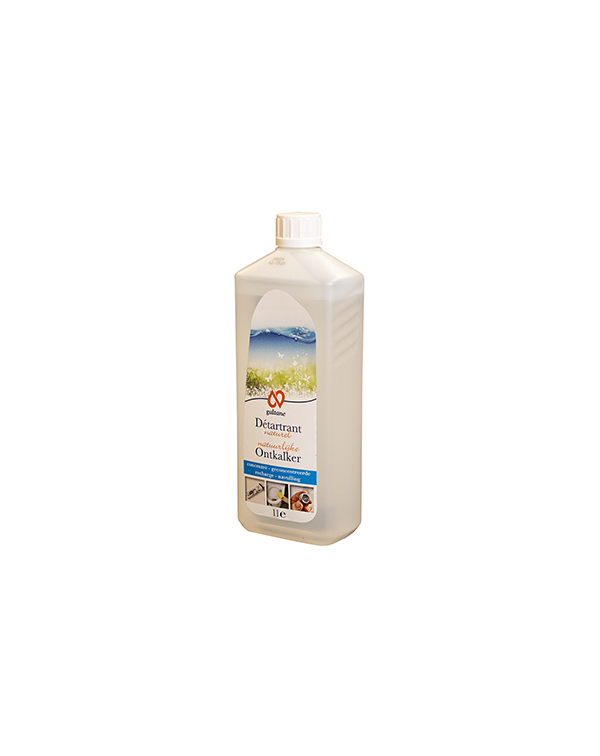
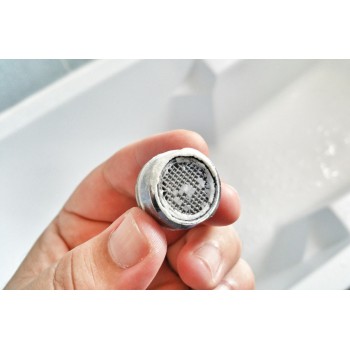
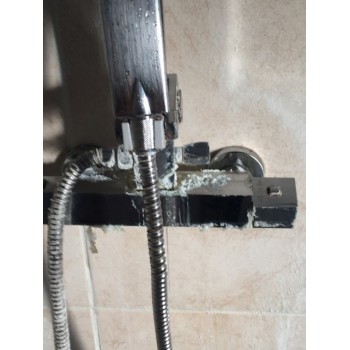
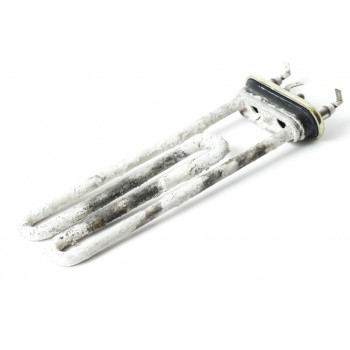
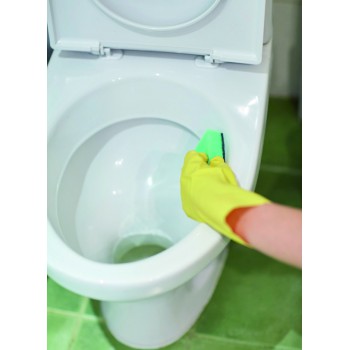
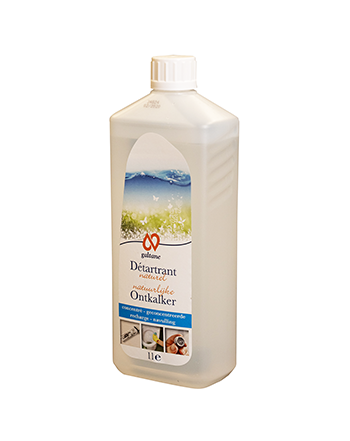
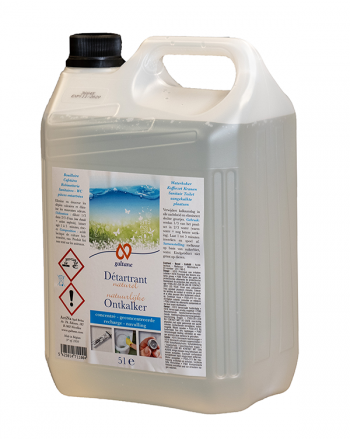
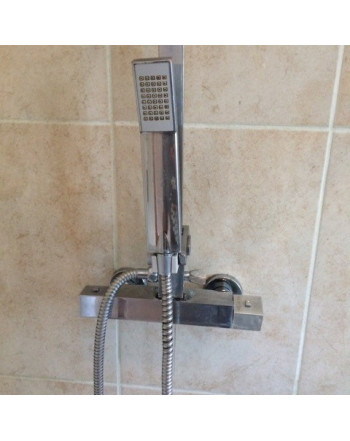
Désodorise, assainit et élimine en douceur les dépôts calcaires dans les cafetières, bouilloires, lavabos, canalisations, toilettes, carrelages, douches… Avec 50 % d’eau et une goutte de Nettoie-tout, vous obtiendrez un liquide rinçage pour lave-vaisselle. Diluer le produit concentré avec 2 parts d'eau. Ou utiliser le pour recharger le flacon du Détartrant prêt à l'emploi.

For questions about a product, could you please consult its technical data sheet before contacting us?
Choosing a safe descaler means choosing one made from plant-based ingredients such as vinegar, citric acid or lactic acid, which are the key ingredients in Galtane descaler. Choosing a safe descaler means promoting a healthy environment at home or in public spaces such as community centres, schools, hospitals, nurseries, etc.
It is often produced through biological fermentation, specifically the fermentation of sugars by lactic acid bacteria. It is a renewable, bio-based product when derived from plant-based raw materials such as sugar beet. Lactic acid is generally more environmentally friendly, particularly when produced by fermentation from renewable biomass. This biological process consumes little fossil fuel, significantly reducing the carbon footprint compared to conventional chemical synthesis. Its biodegradability and its role in bioplastics make it a key player in the transition to a circular economy.
In schools, boarding schools, restaurants...
Mix 50% water with a drop of Galtane All-Purpose Cleaner to make a dishwasher rinse aid.
No, it doesn’t work. In fact, it triggers an immediate chemical reaction accompanied by vigorous fizzing (gas production). This mixture neutralises both products, rendering them ineffective for cleaning.
The results are visible more quickly; it is an effective alternative to household vinegar, which has a pungent smell. It works quickly to remove limescale and has a milder odour. Lactic acid interacts more effectively with calcium carbonate than acetic acid. It dissolves limescale more evenly, leaving fewer traces after rinsing.
Yes, it is widely used by professional tilers to quickly remove cement residue from tiles. It is preferred for its effectiveness and low odour, unlike vinegar, which has a pungent smell.
Lactic acid is also used in beekeeping: in colonies without brood, it is used to combat varroa mites; lactic acid corrodes the mites’ sucking organs, causing them to starve to death. It leaves no residue in the wax or honey. In beekeeping, lactic acid is used in a 15% solution at a temperature above 5 °C. IMPORTANT: the advice on using lactic acid is provided for information purposes only!
Do not use on marble, limestone, travertine, polished concrete, lime plaster, etc.
The main cause of limescale and the build-up of scale in a swimming pool is water hardness, combined with excessively high pH and alkalinity levels. In fact, under the influence of a high pH level, the calcium present in the water solidifies and turns into limescale. Use Galtane Descaler to remove this limescale from the pool edge.
Galtane limescale remover is available at points of saleor on the Galtane website
REF: 2031
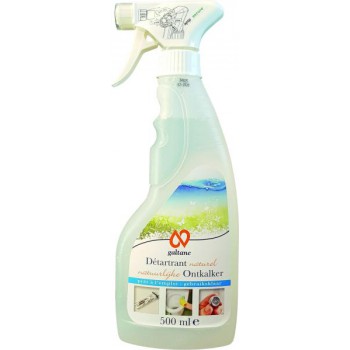
Désodorise, assainit et élimine en douceur les dépôts calcaires dans les cafetières, bouilloires, lavabos, canalisations, toilettes, carrelages, douches… Recharger votre flacon avec le Détartrant...Désodorise, assainit et élimine en douceur les dépôts calcaires dans les cafetières, bouilloires, lavabos, canalisations, toilettes, carrelages, douches… Recharger votre flacon avec le Détartrant concentré.
REF: 2010
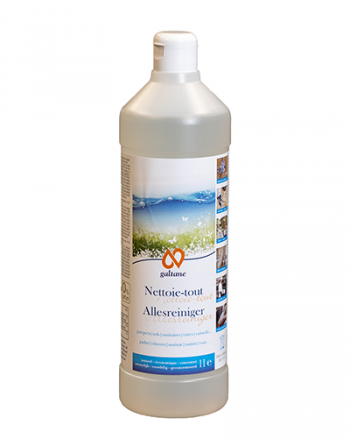
Pour le nettoyage des sols, vitres, carrelages, cuisines, vaisselle, salles de bains, toilettes. Pour les outils de jardin, les autres outils, les surfaces industrielles... Une tache résistante ?...Pour le nettoyage des sols, vitres, carrelages, cuisines, vaisselle, salles de bains, toilettes. Pour les outils de jardin, les
autres outils, les surfaces industrielles... Une tache résistante ? Utilisez-le pur et laissez agir.
Vous pourrez le diluer à 50% d'eau et vous y trouverez encore une efficacité.
You may also like :
REF: 8200
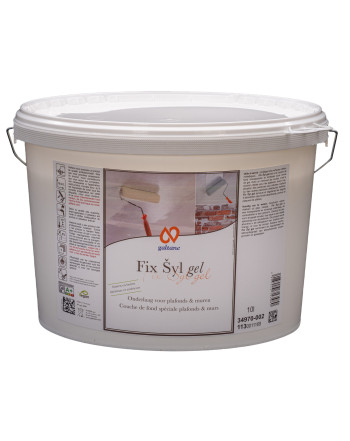
Le Fix Šyl gel est une couche de fond transparente et minérale sous forme de gel, sans solvant, ni plastifiant ni substance dangereuse (certifié par TÜV SÜD). Avec un minimum de coulée, c’est la...Le Fix Šyl gel est une couche de fond transparente et minérale sous forme de gel, sans solvant, ni plastifiant ni substance dangereuse (certifié par TÜV SÜD).
Avec un minimum de coulée, c’est la solution idéale pour les plafonds.
Il s’utilise à l’intérieur et à l’extérieur, avant l’application des peintures aux silicates Galtane ou à l’intérieur, avant l’application de la peinture Eos II, de la peinture à la Chaux, de la peinture à l’Argile ou de la Peinture à la Caséine Galtane.
Le Fix Šyl gel diminue et régularise les degrés d’absorption des fonds absorbants, poreux et plaques de plâtres. Il est destiné à une application sur des supports organique et inorganique. Le Fix Šyl gel ne s’applique pas sur une surface recouverte de nitrate de potassium (salpêtre).
REF: 2060
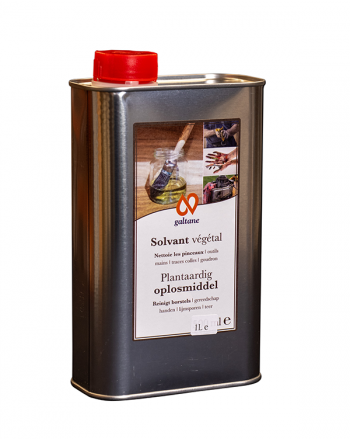
L’alernativre au White spirit Il ne s’évapore pas et nettoie efficacement brosses, pinceaux, surfaces souillées par les huiles, le goudron, etc... Et les mains ! Les outils ne durcissent pas après...L’alernativre au White spirit Il ne s’évapore pas et nettoie efficacement brosses, pinceaux, surfaces souillées par les huiles, le goudron, etc... Et les mains ! Les outils ne durcissent pas après le nettoyage.
REF: 8306
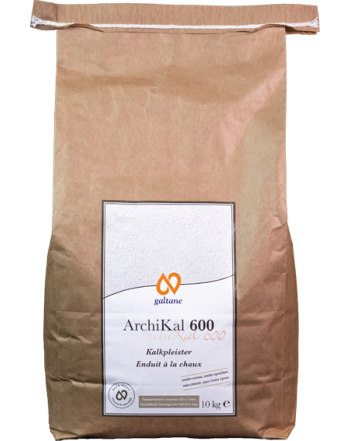
ArchiKal 900 est un enduit décoratif à la chaux hydratée ininflammable A1. Par ses multiples apparences, ArchiKal 900 est un enduit chaleureux qui se caractérise par des effets de nuances et de...ArchiKal 900 est un enduit décoratif à la chaux hydratée ininflammable A1. Par ses multiples apparences, ArchiKal 900 est un enduit chaleureux qui se caractérise par des effets de nuances et de couleurs.
Son résultat dépendra de son applicateur, d’un grain grossier jusqu’au lustre lissé et ciré du plus raffiné.
Sans égal, ArchiKal 900 enduit à la chaux est une finition qui donnera vie aux murs, tant sa texture est douce au toucher et au regard. Grâce à ses nombreuses options de couleurs, ArchiKal 900 rehaussera l’ambiance de nombreuses pièces privées, d’hôtels, de restaurants, de magasins… Qu’il s’agisse de restauration de bâti ancien ou d’intérieur moderne.
REF: 4055
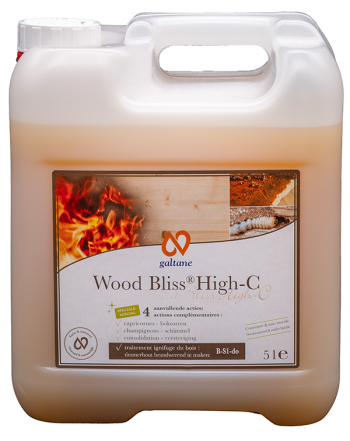
Free from halogenated flame retardants, borates, formaldehyde, PFAS... CLT, wood, timber frames fire protection, the Wood Bliss High-C solutions based on natural mineral substances, Wood Bliss®...Free from halogenated flame retardants, borates, formaldehyde, PFAS... CLT, wood, timber frames fire protection, the Wood Bliss High-C solutions based on natural mineral substances, Wood Bliss® High-C: is a new-generation "B-S1-d0" green solution fire retardant.
It is an eco-friendly fire-retardant and non-toxic treatment for wood and CLT (Cross-Laminated Timber) panels and reaction to fire in accordance with standard EN: 13501:1 "B-S1-d0".
Fire-retardant properties: test results in accordance with the European reference standard have confirmed the ability of Wood Bliss High-C to fire-retard construction wood, including CLT panels and timber frames.
It meets the requirements of residential construction, office buildings, schools, etc.
Wood Bliss® High-C as flame retardant is safe and don't pollute wood. Wood treated with Wood Bliss® High-C does not have to be recognised as polluting or hazardous waste.
REF: 8220
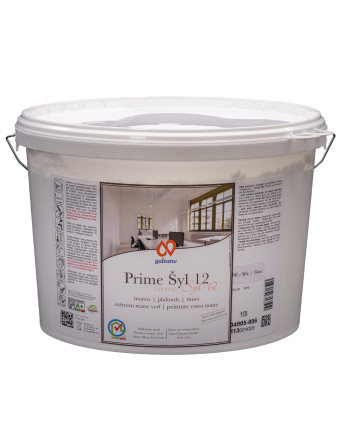
Prime Šyl 12 is an odourless white paint. It has excellent covering power. Prime Šyl 12 is a dual-purpose product: - as a paint, in two coats, to obtain a clean white finish. Thanks to its...Prime Šyl 12 is an odourless white paint. It has excellent covering power.
Prime Šyl 12 is a dual-purpose product:
- as a paint, in two coats, to obtain a clean white finish. Thanks to its extremely matt finish, Prime Šyl 12 is ideal for use on walls exposed to low-angled light or on ceilings.
- or as a bonding agent for Galtane wall paints on smooth, non-absorbent surfaces.
REF: Nuancier Mineral Collection
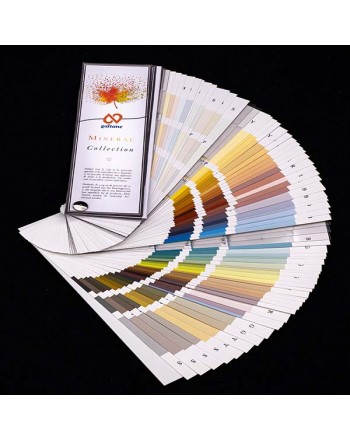
Minera l Collection can be applied to the following selected paints: Šyl - Out Šyl - In Oil paint Clay paint Milk paint Archikal 900 - lime plaster Lime paint paint (180 of 200...Šyl - Out
Šyl - In
Oil paint
Clay paint
Milk paint
Archikal 900 - lime plaster
Lime paint paint (180 of 200 colours)
REF: 8150
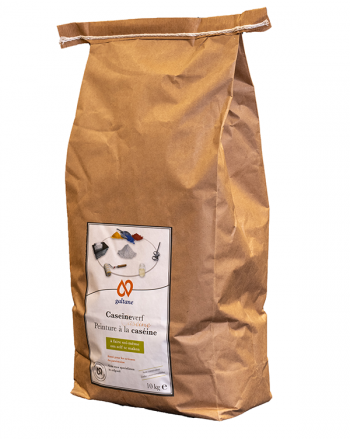
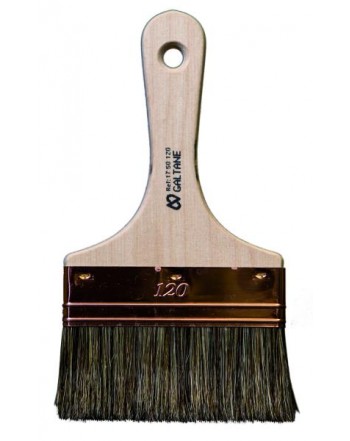
Prepare your own natural milk paint... According to the Mineral Collection colour chart, there are over 250 colours to choose from. Historical and traditional, milk paint has an exceptional matt...Prepare your own natural milk paint... According to the Mineral Collection colour chart, there are over 250 colours to choose from.
Historical and traditional, milk paint has an exceptional matt finish, with light, subtle nuances.
Made from purely natural ingredients, Galtane natural casein paint contains no preservatives (MIT/BIT).
It is easy to prepare and has excellent adhesion and covering power.
With its safflower oil, Galtane milk paint also offers very good durability.
This genuine casein (milk molecule) interior matt paint is acrylic-free,
can be applied by roller or brush (corded effect) to a wide range of new or old surfaces, except damp rooms.
REF: 4010
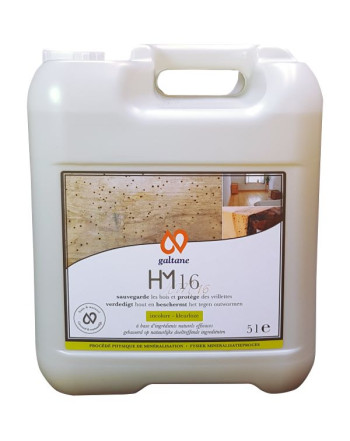
Special furniture - flooring | oak - chestnut HM16 penetrates wood 16 times faster than a drop of water. Does not change the colour of the wood. An excellent preventive, HM16's curative action is...Special furniture - flooring | oak - chestnut
HM16 penetrates wood 16 times faster than a drop of water.
Does not change the colour of the wood. An excellent preventive, HM16's curative action is limited to woodworm (flight holes +/- 1 mm). Colourless, HM16 cares for the wood and is ideal for parquet floors (oak, chestnut) and for ennobling and restoring old furniture. HM16 contains no insecticides or biocides. Galtane HM16 is ready to use and can be kept for 24 months! It poses no risk to pregnant women, infants, allergy sufferers or the sick... For a broader-spectrum action and if colour change is not a problem, opt for Wood Bliss.
REF: 8250
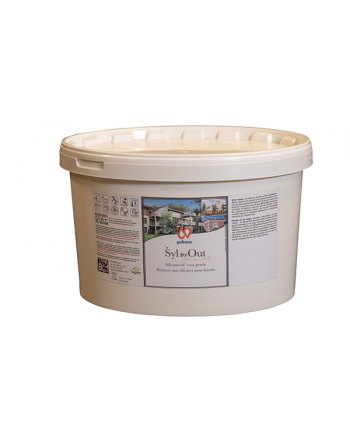
Šyl Out silicate matt façade paint is a technically advanced mineral exterior paint with excellent hiding power. It meets very strict environmental, health and functionality criteria and is free...Šyl Out silicate matt façade paint is a technically advanced mineral exterior paint with excellent hiding power.
It meets very strict environmental, health and functionality criteria and is free from preservatives (MIT). Silicate paint is ideal for heritage buildings.
It is resistant to mould and has a high vapour diffusion rate.
Šyl Out silicate paint limits the impact on a wall's resistance to water vapour diffusion.
It is generally recommended to apply finishing paints that are highly permeable to water vapour, with an Sd value of less than 0.05 m.
The Sd value of Šyl Out is less than 0.01 m.

REF: 5048
Protection formulée à partir de matières premières majoritairement minérales et végétales pour panneaux de CLT. Composition contrôlée par le laboratoire "EPH". L’objectif d’un traitement de...Protection formulée à partir de matières premières majoritairement minérales et végétales pour panneaux de CLT. Composition contrôlée par le laboratoire "EPH".
L’objectif d’un traitement de surface des panneaux de CLT (Cross Laminated Timber) destiné à un usage intérieur est généralement de préserver l’aspect naturel du bois, de faciliter le nettoyage et de les protéger contre la saleté et l’humidité.
Les meilleurs choix pour les panneaux de CLT d’intérieur sont des produits perméables à la vapeur d’eau, qui laissent le bois respirer, ce qui contribue à un bon climat intérieur.
À l’intérieur, pour empêcher les panneaux CLT de jaunir avec le temps, il est recommandé d’utiliser une huile de protection naturelle blanche ou le « CLT-L » qui permettra de conserver l’aspect clair du bois
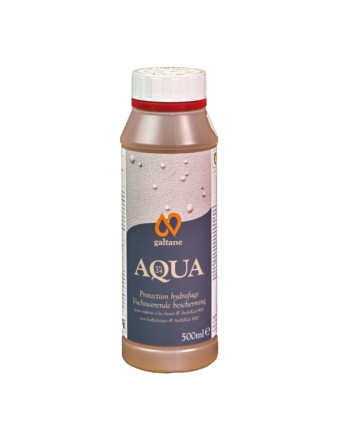
REF: 2035
Galtane Aqua Perl 24 is made from an authentic recipe based on local vegetable oil. It will provide additional protection for Archikal 900, giving the surface water-repellent protection while...Galtane Aqua Perl 24 is made from an authentic recipe based on local vegetable oil. It will provide additional protection for Archikal 900, giving the surface water-repellent protection while retaining the exceptional water vapour diffusion properties of lime plaster.
Preparation: dilute with 3 litres of water.
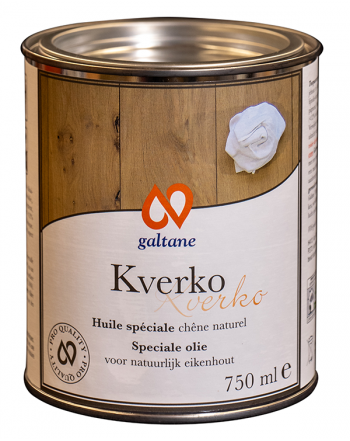
REF: 5030
Kverko, «chêne» en esperanto, est une huile spécialement conçue pour raviver la teinte naturelle du chêne ou du châtaignier. Elle confère au bois une surface gris-beige, la couleur du chêne....Kverko, «chêne» en esperanto, est une huile spécialement conçue pour raviver la teinte naturelle du chêne ou du châtaignier. Elle confère au bois une surface gris-beige, la couleur du chêne. Finition mate à satinée. Kverko convient pour les parquets, le mobilier...
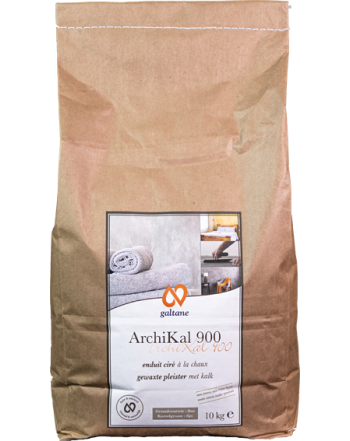
REF: 8309
ArchiKal 900 est un enduit décoratif à la chaux hydratée ininflammable A1. Par ses multiples apparences, ArchiKal 900 est un enduit chaleureux qui se caractérise par des effets de nuances et de...ArchiKal 900 est un enduit décoratif à la chaux hydratée ininflammable A1. Par ses multiples apparences, ArchiKal 900 est un enduit chaleureux qui se caractérise par des effets de nuances et de couleurs.
Son résultat dépendra de son applicateur, d’un grain grossier jusqu’au lustre lissé et ciré du plus raffiné.
Sans égal, ArchiKal 900 enduit à la chaux est une finition qui donnera vie aux murs, tant sa texture est douce au toucher et au regard. Grâce à ses nombreuses options de couleurs, ArchiKal 900 rehaussera l’ambiance de nombreuses pièces privées, d’hôtels, de restaurants, de magasins… Qu’il s’agisse de restauration de bâti ancien ou d’intérieur moderne.